

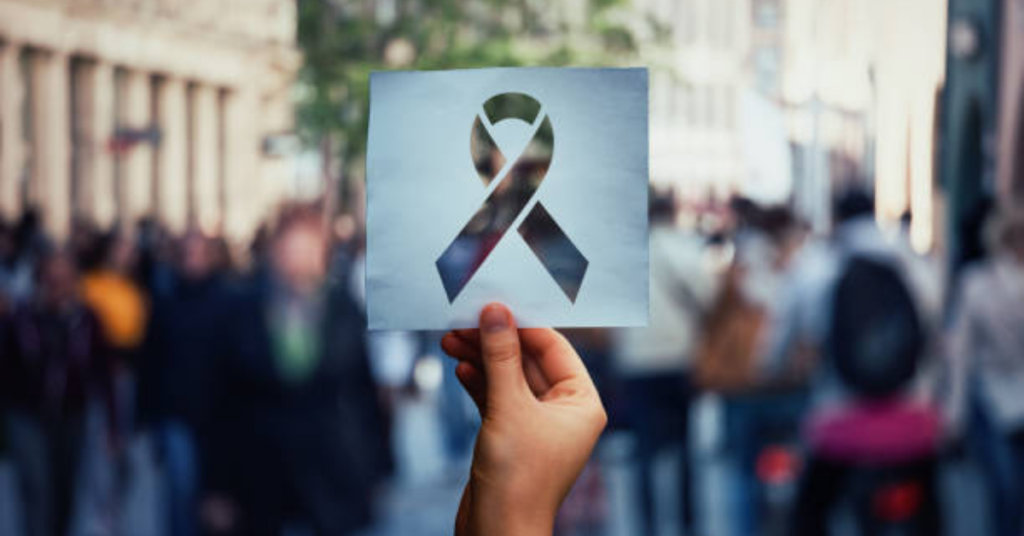
On the 1st of December we mark World Aids Day. The World Health Organization has placed ending inequalities with regards to treatment, access to information and testing with regards to the condition.
Unfortunately, like so many things the occurrence of the COVID-19 pandemic has resulted in exacerbating pre-existing inequalities and has also disrupted services, making the lives of those living with HIV more challenging.
While we have moved away from seeing HIV as death sentence, it is still incredibly important to know one’s status and to get the required treatment. So that you can live a healthy and meaningful life. It is still believed that the sooner you start treatment the better the prognosis. While not being curable at this point, treatment can maintain your quality of life.
Untreated HIV is more commonly known for the negative impacts that it can have one’s physical health. However, it can also have massive impacts upon one’s mental health. Another reason why it is important for early detection and subsequent treatment.
While there will be some suggested lifestyle changes after diagnosis, the emotional impacts of receiving a diagnosis should not be over looked. While acceptance is a process and not thought of something which is instantaneous there are multiple avenues which can be explored to assist you along this journey to acceptance. There are support groups, counsellor, social worker and psychologists who are available to help you along this journey.
Receiving a chronic health condition diagnosis can often leave one feeling alone and isolated, this is not the case, in reality. Many are going through their own journeys, very similar to yours. Also, there are professionals there to assist you. Even though you might feel alone, there is help to be reached for.