

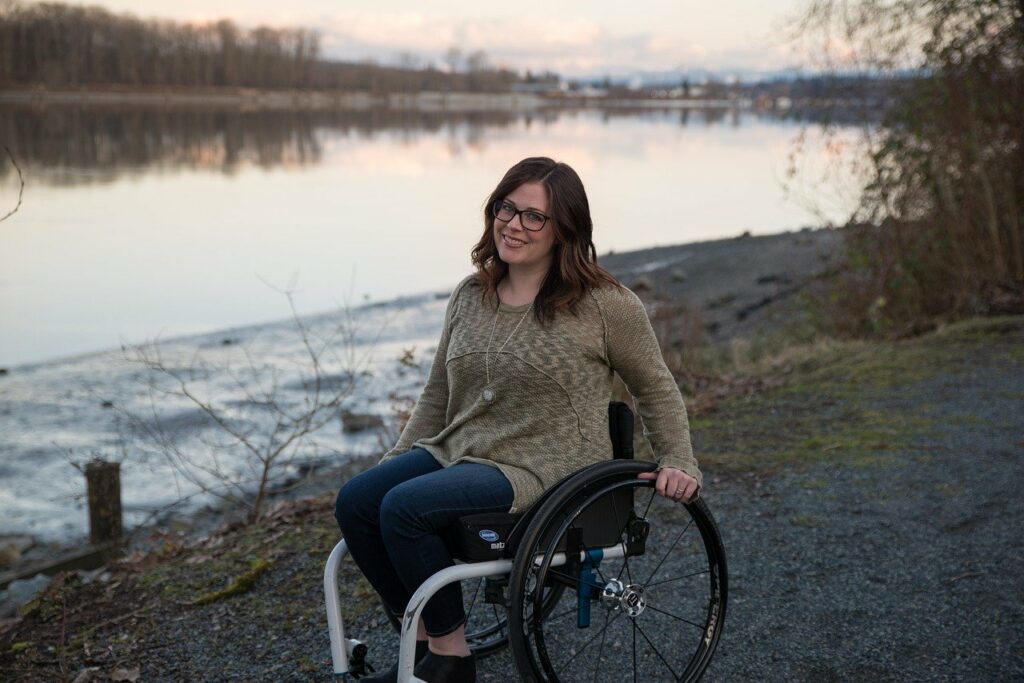
In general, sexuality describes how a person goes about expressing himself or herself as a sexual being. Sexuality and sexual expression is an integral part of a person’s life and just as we are all different, our sexual preferences also differ. Sexuality is equally important to all people regardless of age, gender, relationship status, gender identity, sexual expression or our physical abilities. Experiencing meaningful relationships is a core part of who we are and sexuality plays an essential role in how we relate to others.
There are various factors that influence our sexuality, including values, beliefs, attitudes, experiences, physical attributes, sexual characteristics and societal expectations. The views of other’s can easily be experienced as judgmental which inhibits the process of accepting one’s personal opinions and preferences regarding sexuality. Views and expectations of sexuality is not right vs wrong or good vs bad, it is an expression of who you are and therefore valuable. Since sexuality is a topic that is often avoided, people can find it difficult to discuss. This could encourage the experience of judgement which prohibits people from experiencing fulfilling relationships on the level of sexuality. Accepting your sexual preferences and views as ‘normal’ is already a big step towards embracing a fundamental part of who you are.
For people that have suffered spinal cord injuries in a rehabilitation setting, there are certain concerns that are quite common. Some of these concerns revolve around physical abilities like walking and performing daily tasks, the work environment, medical complications, opinions of others and many more. There are however, one area of concern that comes up more often than any other and that is the topic of sexuality and sexual options. Since sexuality is such a big part of who we are, it is no surprise that a threat to sexual functioning would be concerning to anyone. There is sometimes a belief that people with spinal cord injuries are unable to have sex and therefore doomed to have relationships lacking in intimacy. This is a myth and a shortsighted view on sexuality as it assumes that the only factor that is relevant in sexuality and intimacy is sex. People with disabilities are still able to have meaningful sexual relationships.
One of the main aims of sexual rehabilitation for spinal cord injured patients (just like physical rehabilitation) is to show that a lot of what you were able to do before is still possible, it is just about finding different ways of doing it. The process focusses on educating people in what sexuality really entails and coming up with a plan that can work for each person individually. Challenging myths and opinions about sexuality is essential to laying the foundation for intimate relationships. There are numerous options to overcoming the perceived barriers, all that is needed is knowledge, communication and an open mind.